


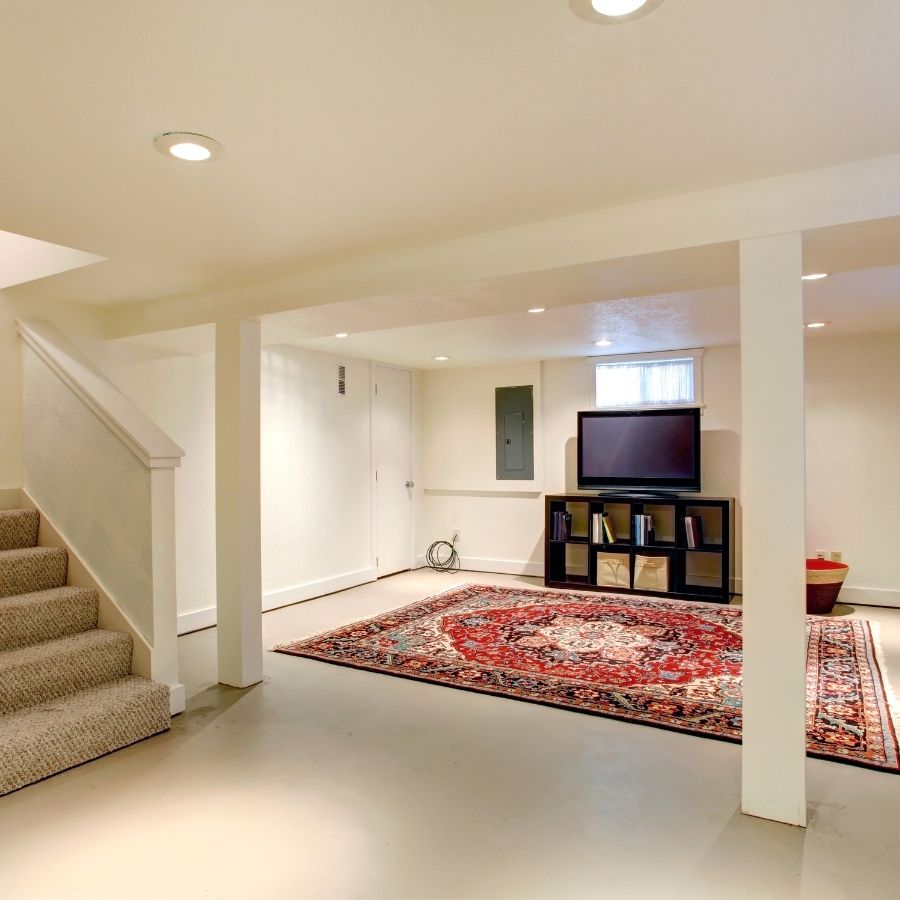
Buyers relocating to Florida from northern states are often surprised to discover that most homes here do not have basements. In markets where basements are a standard feature, their absence in Florida can feel like a significant adjustment. For some buyers, it raises immediate questions about storage, utility space, and overall value.
The reason is straightforward: Florida’s climate and geography make basement construction largely impractical. High water tables, soil conditions, and the state’s proximity to sea level create challenges. Most builders simply do not attempt to work around them.
For real estate agents working with out-of-state buyers, explaining this clearly and confidently is part of the job. In this guide, we explain why Florida homes typically lack basements. We will also explain if it’s possible to build one and what it might cost. By the end, you will be equipped to address this concern before your buyers even think to ask.

Do Florida Homes Have Basements? What to Tell Clients
Basements are rare in Florida homes. Most homes in the state are built on concrete slab foundations. Builders specifically design them to handle Florida’s wet soil conditions and hurricane-prone environment. In many parts of Florida, the soil simply does not provide the stability that below-ground construction demands.
When you can explain this clearly to out-of-state buyers, you demonstrate local knowledge that builds credibility. Buyers who understand the reason behind a Florida home’s structure can approach their search with more realistic expectations. Moreover, agents who set those expectations early tend to move through transactions more smoothly and with fewer surprises.
What Is a Basement?
A basement is a partially or fully underground level of a home that sits beneath the main living floor. During construction, builders form it by excavating below grade and pouring concrete walls and flooring to create an enclosed space.
Basements are most common in the Midwest, Northeast, and parts of the mid-Atlantic. These areas require builders to already dig below the frost line as part of foundation work. This makes the additional space a practical and cost-effective byproduct of the process.
In those markets, basements serve a wide range of purposes, including storage, laundry, mechanical systems, and additional living space such as a family room or home office. Buyers relocating from those regions to Florida arrive with a deeply ingrained expectation of a basement.
What Are Basements For?
Basements can serve a wide range of purposes for homeowners. Common uses include:
- Additional storage space
- Storm shelter or safe room
- Extra bedrooms or living areas
- Laundry rooms and utility systems
- Home gyms, recreation rooms, or home theaters
For buyers relocating from markets where basements are standard, their absence in Florida homes can feel like a loss. This is particularly true when storage or a flexible living space in a finished basement is a priority.
Setting expectations early and offering alternative solutions are part of providing informed guidance that builds client confidence—and buyer trust.
Do Houses in Florida Have Basements?
While the northern parts of Florida offer slightly more favorable conditions for basement constructions, most homes in Florida do not have basements. Areas such as Tallahassee and the Florida Panhandle sit at higher elevations and have a lower water table than Central or South Florida. Therefore, excavation is more feasible.
Even so, basements remain uncommon in northern Florida. The cost of waterproofing and the ongoing risk of moisture intrusion still outweigh the practical benefits for most builders. When a basement does exist in Florida, you are most likely to find it in a custom home on elevated land.
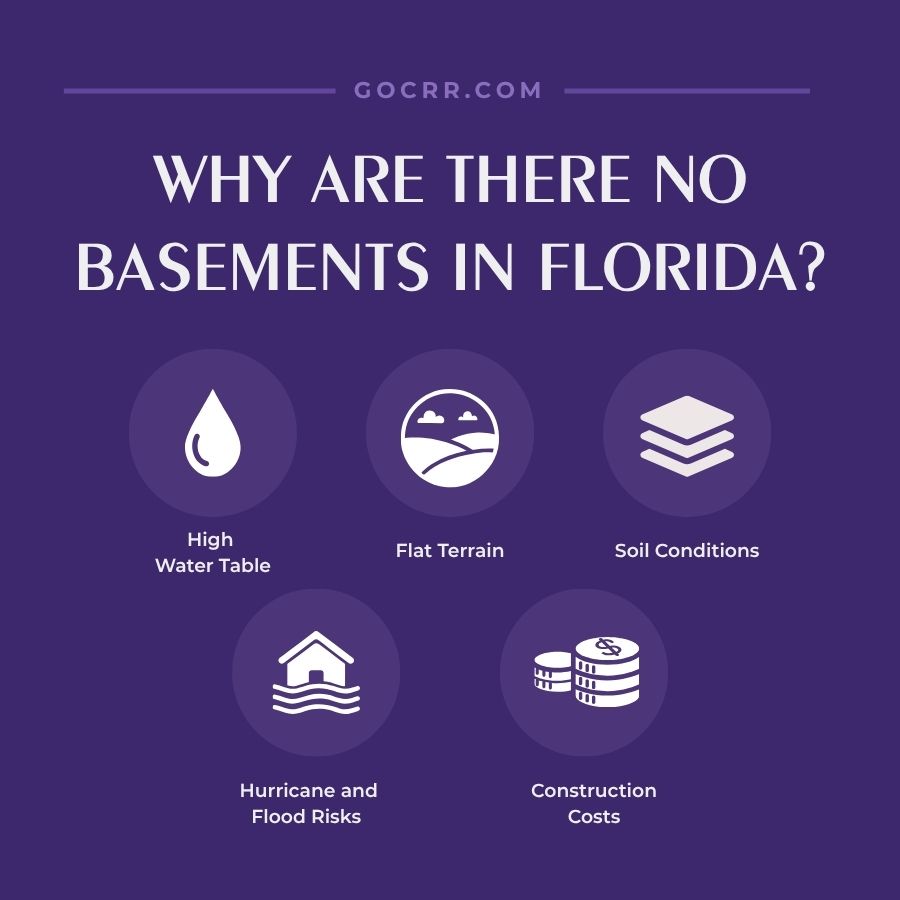
Why Are There No Basements in Florida?
High Water Table
Florida’s water table sits extremely close to the surface. In many areas, this means just a few feet below ground level. When builders excavate for a basement, they encounter groundwater quickly, which makes construction both difficult and expensive. Even with a successfully built basement, water pressure pushes against the foundation walls and floor. That pressure creates an ongoing risk of seepage and flooding.
Flat Terrain
Florida’s flat terrain creates its own challenges for basement construction. In regions with natural elevation changes, builders can use sloped land to their advantage. This allows one side of a basement to sit above grade, therefore reducing the required excavation. With this configuration, many homes have walk-out basements that allow natural light.
However, Florida’s landscape offers little of that flexibility, as the ground is overwhelmingly level across the state. This means builders would need to dig a basement straight down, with no natural drainage working in its favor.
Soil Conditions
Florida’s soil, known as Myakka, is predominantly sandy and porous. This creates significant structural challenges for basement construction. Sandy soil lacks the stability that excavated walls require, making shifting and cave-ins a genuine concern both during and after construction. Beyond this, the soil’s porosity allows water to move through it freely, accelerating moisture intrusion into any below-grade space.
Hurricane and Flood Risks
Hurricane season brings intense rainfall and storm surge that can overwhelm drainage systems and flood large areas with little warning. In that environment, a basement becomes a serious liability rather than an asset. Water intrusion during a significant storm could cause rapid, catastrophic damage that’s difficult to contain or reverse.
Federal flood zone designations cover much of the state. Therefore, building below grade in these areas conflicts directly with established flood mitigation practices. Insurance costs for below-grade space in Florida are also substantial. This adds another layer of financial risk that most buyers and builders are not willing to take on.
Flooding in Florida is quite common. If you’re listing a home that has experienced flooding, read our guide “How to Sell a House That Has Flooded.”
Construction Costs
In colder climates, builders must excavate the frost line as a structural requirement. This makes a basement a cost-effective addition to work that is already underway. However, Florida does not have a frost line. Therefore, that excavation never happens as a standard part of building a home.
Adding a basement requires paying separate, often high, costs for excavation, waterproofing, reinforced walls, and drainage systems. For most buyers and developers, the added expense does not produce a return that justifies the investment. This is especially true when alternative solutions for storage and living space are available on the ground level.
Is It Possible to Have a Basement in Florida?
Building a basement in Florida is technically possible, but it is far from a straightforward undertaking. It requires specialized engineering, extensive waterproofing systems, and land conditions that actively support the project. Elevated lots in northern Florida offer the most realistic opportunity, as the water table is deeper and soil conditions are more stable.
Permitting and engineering requirements are considerably stricter than in other states, reflecting the additional risks involved. For most buyers, the cost and complexity of pursuing a basement make above-ground alternatives a far more practical solution.
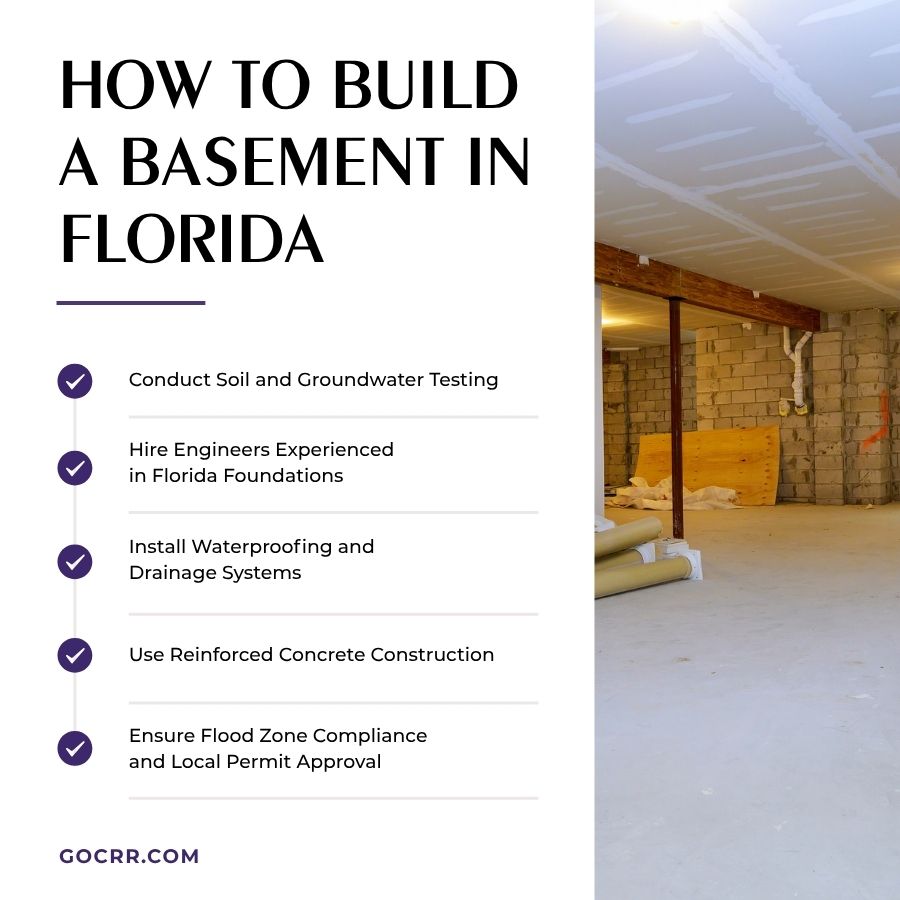
How to Build a Basement in Florida
Conduct Soil and Groundwater Testing
Before any excavation begins, you must conduct a thorough geotechnical investigation. A soil survey determines whether the ground can support below-grade construction without shifting or collapsing over time. Additionally, groundwater testing is equally critical. This establishes how close the water table sits to the surface and how significantly it fluctuates across seasons.
Hire Engineers Experienced in Florida Foundations
Standard foundation engineering does not translate directly to basement construction in Florida. This work requires structural and geotechnical engineers with specific experience building in the state’s conditions. These professionals understand how Florida’s soil behaves under load and how to design walls that resist hydrostatic pressure. Moreover, they also know how to account for the movement of sandy or clay-heavy soils.
Install Waterproofing and Drainage Systems
Waterproofing a Florida basement requires a multi-layered approach that goes well beyond what is standard in other states. Contractors apply exterior waterproofing membranes to the outside of foundation walls to block moisture. Interior drainage systems—including French drains and sump pumps—manage any water that does penetrate the perimeter.
Given Florida’s rainfall volume and groundwater levels, a single sump pump is rarely sufficient. Builders strongly recommend redundant systems with battery backups, particularly in areas prone to power outages. In some cases, you may need an aquifer system to manage groundwater pressure more effectively.
Additionally, waterproofing measures are not a one-time installation. They require regular inspection and ongoing maintenance to remain effective. This is an added cost and responsibility that buyers should factor into their long-term ownership budget.
Use Reinforced Concrete Construction
Below-grade walls in Florida must withstand constant hydrostatic pressure from surrounding groundwater. Standard wood-frame construction is not a viable option. Instead, it requires reinforced concrete with steel rebar running through the walls and floor slab. This provides the structural strength needed to resist that pressure consistently over time.
Ensure Flood Zone Compliance and Local Permit Approval
Building below grade in these flood zones requires careful navigation of both local and federal regulations. Local building departments will require detailed engineering plans, soil reports, and comprehensive documentation of waterproofing measures. In certain flood zones, they may not permit below-grade habitable space at all.
Buyers should also factor flood insurance requirements for the finished structure into the overall project budget. Working with a permit expeditor or contractor who has established relationships with local building departments can help move the approval process forward. It can also reduce costly delays or plan revisions.
How Much Would a Basement Cost in Florida?
Building a basement in Florida carries a significantly higher price tag than in most other states. Specialized engineering, waterproofing systems, and basement size are what significantly drive these elevated prices. Florida homebuyers can expect the following total costs for a basement:
- Crawl Space: Creating a small space for utilities below grade level can cost between $5,000 and $21,000, depending on the size of the home.
- Partial Basement: A partial basement typically runs between $20,000 and $50,000.
- Full Basement: A full basement is a considerably larger investment, with total costs ranging from $100,000 to $250,000 or more.
- Ongoing Maintenance and Flood Protection: The financial commitment does not end at construction. Recurring expenses can total several thousand dollars per year for flood insurance, sump pump servicing, waterproofing inspections, and repair costs.
Helping buyers understand the financial realities of below-grade construction in Florida is part of providing valuable guidance. The more clearly you can speak to both the possibilities and the practical limitations, the more confident your clients become.
For a broader look at the cost of a Florida home, review our guide “Costs Associated with Buying a Home.”
Help out-of-state buyers make the sunshine state their home and keep 100% of your commission with Charles Rutenberg Realty.
Working with buyers relocating to Florida from other parts of the country means being prepared to explain why homes look a little different. The absence of basements is one of the first things that surprises many out-of-state buyers. And agents who can explain it clearly and suggest practical alternatives demonstrate the local expertise that builds trust.
At Charles Rutenberg Realty, we equip our agents with the resources and knowledge they need to serve clients at that level. And with our 100% commission model, you keep more of what you earn on every transaction.
For more than two decades, we have built a standard of excellence in Florida that agents and clients rely on. Explore what a career with us looks like and schedule a call with our broker today.